
Table of content
Table of Contents
Introduction
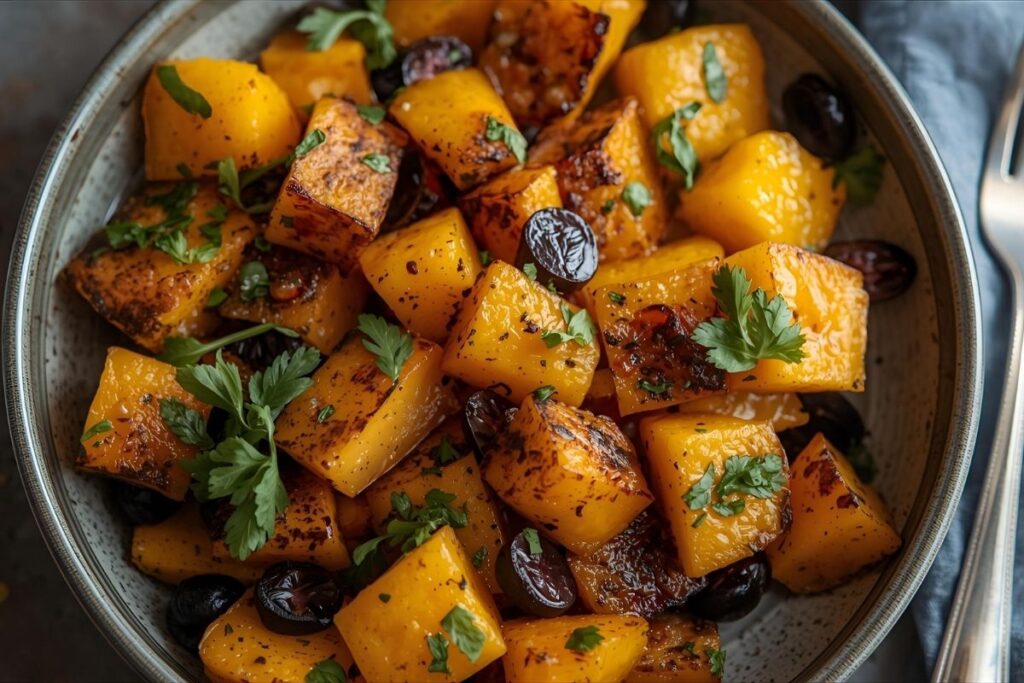
Want the perfect butternut squash recipe every time? Butternut squash is a versatile and delicious fall favorite that combines sweetness and earthiness in every bite. Whether roasted, mashed, or turned into a comforting soup, this vegetable can elevate your meals and bring delightful warmth to your table. In this guide, you’ll discover five easy methods to cook butternut squash, each packed with unique flavor profiles and cooking techniques. Alongside these methods, we’ll share essential tips and solutions to guarantee success, even if you’re new to cooking squash. From quick roasting to slow simmering, these ideas will inspire your next culinary adventure with butternut squash. Dive in and get ready to impress with simple, tasty, and nutritious recipes that highlight this autumnal gem.
Ingredients List
To get started, here’s a detailed list of ingredients you’ll need for the perfect butternut squash recipes along with some substitution tips.
- 1 medium butternut squash (about 2-3 pounds): Choose one that feels heavy for its size with smooth skin and no soft spots.
- 2 tablespoons olive oil or melted butter: Olive oil is great for roasting or sautéing, while butter adds richness, especially in mashed versions.
- Salt and freshly ground black pepper: Essential for balancing flavors.
- Optional seasonings: Garlic powder, ground cinnamon, nutmeg, chili flakes, or smoked paprika for a twist.
- Fresh herbs: Sage, thyme, or rosemary complement squash beautifully.
- Vegetable or chicken broth (1-2 cups): Used mainly in soups for a flavorful base.
- Cream or coconut milk (1/2 cup): Adds creaminess, ideal for purees or soups.
- Maple syrup or honey (1-2 teaspoons): Enhance the natural sweetness if desired.
Substitutions and Notes:
If you don’t have butternut squash, kabocha or acorn squash works similarly but with slight flavor differences. For oil, avocado oil is a healthy alternative with a high smoke point, perfect for roasting. For dairy-free options, coconut milk or almond milk are excellent in creamy recipes. Fresh herbs can be swapped based on availability or personal preference—dried will suffice but use less.
Timing
Preparing butternut squash takes some time due to peeling and seeding, but the cooking itself can be fairly quick.
- Prep time: 15-20 minutes (this includes peeling, cutting, and seeding)
- Cook time: 25-45 minutes depending on the method (roasting is usually about 40-45 minutes; sautéing or steaming takes less)
- Total time: 40-65 minutes from start to finish
Roasting tends to be the most hands-off method but uses more time, while stove-top preparations are faster but require near-constant attention.
Step-by-Step Instructions
Print
Butternut squash recipe: 5 Easy Ways to Make It Perfect Every Time
- Total Time: 40 mins
- Yield: 4 servings
Ingredients
- 1 medium butternut squash (about 2–3 pounds): Choose one that feels heavy for its size with smooth skin and no soft spots.
- 2 tablespoons olive oil or melted butter: Olive oil is great for roasting or sautéing, while butter adds richness, especially in mashed versions.
- Salt and freshly ground black pepper: Essential for balancing flavors.
- Optional seasonings: Garlic powder, ground cinnamon, nutmeg, chili flakes, or smoked paprika for a twist.
- Fresh herbs: Sage, thyme, or rosemary complement squash beautifully.
- Vegetable or chicken broth (1-2 cups): Used mainly in soups for a flavorful base.
- Cream or coconut milk (1/2 cup): Adds creaminess, ideal for purees or soups.
- Maple syrup or honey (1-2 teaspoons): Enhance the natural sweetness if desired.
- Prep Time: 15 mins
- Cook Time: 25 mins
- Category: Weight Loss Meals
- Method: Roasting, Steaming
- Cuisine: American
Step 1: Preparing the Squash
Start by washing and drying your butternut squash. Carefully peel it using a sharp vegetable peeler. Then slice off both ends before cutting it in half lengthwise. Scoop out the seeds and stringy pulp with a spoon. Chop the squash into uniform cubes—around 1-inch pieces work best for even cooking. Pro tip: If peeling is tricky, soften the skin by microwaving the whole squash for 2 minutes before peeling.
Step 2: Choosing Your Cooking Method
Decide how to cook: roasting, steaming, boiling, sautéing, or pureeing. For roasting, toss cubes with olive oil, salt, pepper, and optional herbs, spreading evenly on a baking sheet. For steaming or boiling, prepare a pot with water or broth. If sautéing, heat oil in a skillet until shimmering before adding squash. For purees and soups, simmer squash in broth until tender.
Step 3: Roasting Variations
Roasting is classic and versatile. Try a simple drizzle of olive oil, salt, and pepper, or amp up flavor with cinnamon and maple syrup for a sweet side. For a savory option, toss with smoked paprika and garlic powder. Roasting at 400°F (200°C) for 40-45 minutes caramelizes the sugars and adds depth. Remember to toss halfway through for even browning. You can also roast squash halves face down on a baking sheet for softer flesh, ideal for mashing.
Step 4: Cooking Science Tips
Butternut squash’s natural sugars caramelize when roasted or sautéed, creating that desirable golden color and sweet flavor. Avoid overcrowding the pan when roasting, as this causes steaming instead of caramelization. For boiling or steaming, don’t overcook—the flesh should be tender but not mushy to maintain texture and nutrients. When mashing, incorporate warmed butter or cream to improve mouthfeel and prevent the dish from seeming dry.
Step 5: Serving and Plating
Serve roasted cubes as a side dish garnished with fresh herbs and a sprinkle of toasted nuts for texture contrast. Mashed or pureed squash pairs perfectly with roasted meats or can be a base for grain bowls. For soup, drizzle with a splash of cream and a touch of freshly ground pepper. Consider adding a swirl of herb oil or pumpkin seeds for color and crunch. These finishes elevate the presentation and flavor, turning a simple dish into a centerpiece.
Nutritional Information
Per serving (approx. 1 cup cooked squash):
- Calories: 100 kcal
- Protein: 2 g
- Carbohydrates: 22 g
- Fat: 3 g
- Fiber: 3.5 g
- Sugar: 4 g
- Sodium: 150 mg (depends on added salt)
Butternut squash is a nutrient powerhouse rich in vitamins A and C, potassium, and dietary fiber. Its antioxidants support eye health and immune function, while fiber promotes digestion and steady blood sugar levels. Low in fat but moderately carbohydrate-dense, it’s filling yet suitable for balanced diets. Using healthy fats like olive oil adds heart-healthy monounsaturated fats, boosting overall benefits.
Healthier Alternatives for the Recipe
To make your butternut squash recipe healthier or to fit different dietary needs, consider these variations:
- Swap butter for olive or avocado oil: Reduces saturated fat and adds beneficial fatty acids.
- Use vegetable broth instead of cream: Great for creamy soups that are lower in calories and dairy-free.
- Add leafy greens or kale: Incorporate extra fiber and nutrients by blending greens into pureed squash soups.
- Roast with minimal oil and herbs: Keep seasoning basic to reduce added fats while still enjoying savory flavors.
- Sweeten naturally with cinnamon and roasted squash instead of sugar or syrups: This cuts added sugars without sacrificing flavor intensity.
These simple swaps maintain deliciousness but increase nutritional value, catering to various goals like weight management, vegan diets, or heart health.
Serving Suggestions
Butternut squash pairs beautifully with spices and flavors that evoke the fall season. Serve alongside roast turkey or pork chops during holiday meals, or mix cubes into warm grain salads for a hearty lunch. You can toss roasted squash with quinoa, cranberries, toasted pecans, and a lemon vinaigrette for a seasonal salad that highlights autumn produce.
Culturally, butternut squash features in North American, Mediterranean, and Middle Eastern cuisines, often combined with warming spices like cumin or coriander. In cooler months, squashes shine with soups and stews, often paired with pungent garlic or fresh herbs to brighten deeper flavors.
For a seasonal twist, try topping with pomegranate seeds or drizzle with a balsamic reduction, combining sweet and tart elements enhancing the squash’s natural flavor.
Common Mistakes to Avoid
- Peeling too late: The skin is tough. Peel before cooking for more consistent texture.
- Cutting uneven pieces: Results in uneven cooking—aim for uniform cubes.
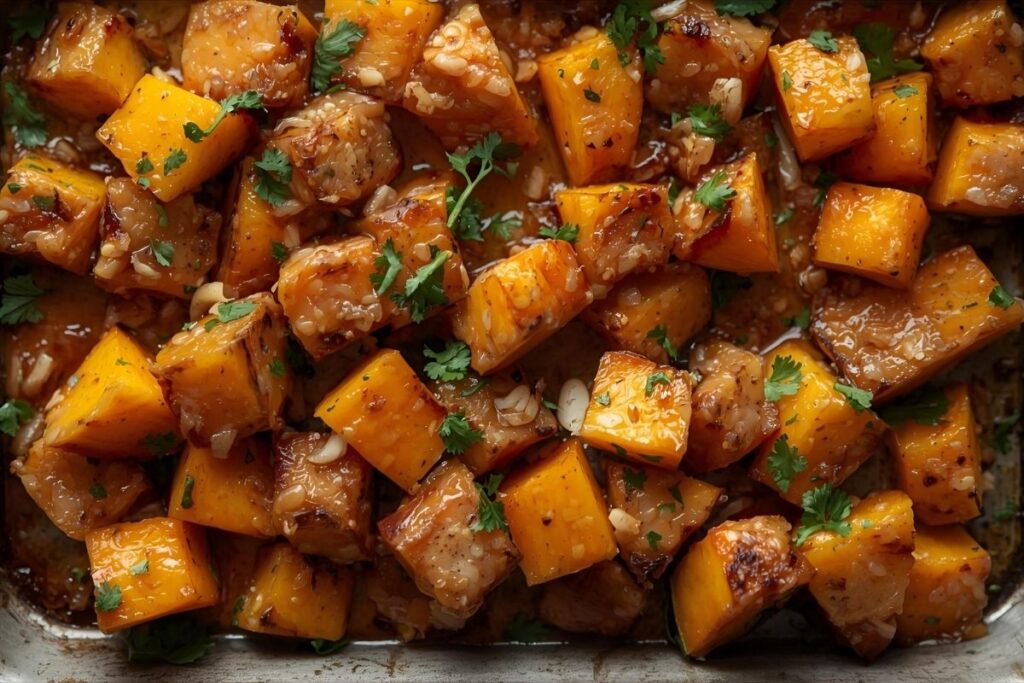
- Overcrowding the pan when roasting: Leads to steaming, not caramelization. Spread pieces out.
- Overcooking: Causes mushy, flavorless squash. Test tenderness often.
- Skipping seasoning: Butternut squash benefits greatly from salt, pepper, and your favorite spices to elevate its natural taste.
Fix these easily by prepping thoroughly, using the right pan size, watching cooking times, and seasoning at multiple stages.
Storing Tips for the Recipe
Cooked butternut squash stores well in the fridge for up to 4 days. Place in an airtight container to maintain moisture and flavor. For longer storage, freeze cooked squash either cubed or pureed in freezer-safe bags for up to 3 months. Thaw in the refrigerator or gently heat from frozen for later meals.
If prepping in advance, consider cooking and seasoning squash separately from sauces or creams, adding them fresh on the day of serving to preserve texture and taste. Raw peeled and chopped squash can also be frozen but blanch first to maintain color and nutrients.
Conclusion
Mastering butternut squash recipes opens a door to nutritious and flavorful meals that are perfect for any season, especially autumn and winter. These five easy cooking methods, paired with essential tips, help you avoid common pitfalls and make the most out of this sweet, buttery vegetable every time. Whether you prefer roasting for deep caramelized notes or puréeing for creamy soups, butternut squash is both healthy and versatile in your kitchen. For more vegetable-based inspiration, check out our best roasted vegetable recipes for creative sides. For detailed nutritional insights, the Harvard T.H. Chan School of Public Health offers excellent guidance on squash benefits. Ready to try these delicious ideas? Your perfect butternut squash meal awaits!
FAQs
Q: How do I tell if a butternut squash is ripe?
A ripe butternut squash has a matte, tan skin without green spots and feels heavy. Avoid ones with soft spots or blemishes.
Q: Can I cook butternut squash without peeling?
You can roast halves with skin on, but most recipes call for peeling because the skin is tough and chewy.
Q: What’s the best way to store raw butternut squash?
Store whole squash in a cool, dry place for up to 3 months. Once cut, refrigerate and use within a few days.
Q: Is butternut squash low in carbs?
It contains moderate carbohydrates but is rich in fiber, which helps balance blood sugar.
Q: Can I use canned butternut squash?
Yes, canned squash works well in soups or purees but usually lacks the fresh flavor and texture of fresh squash.