
Table of content
Table of Contents
Introduction
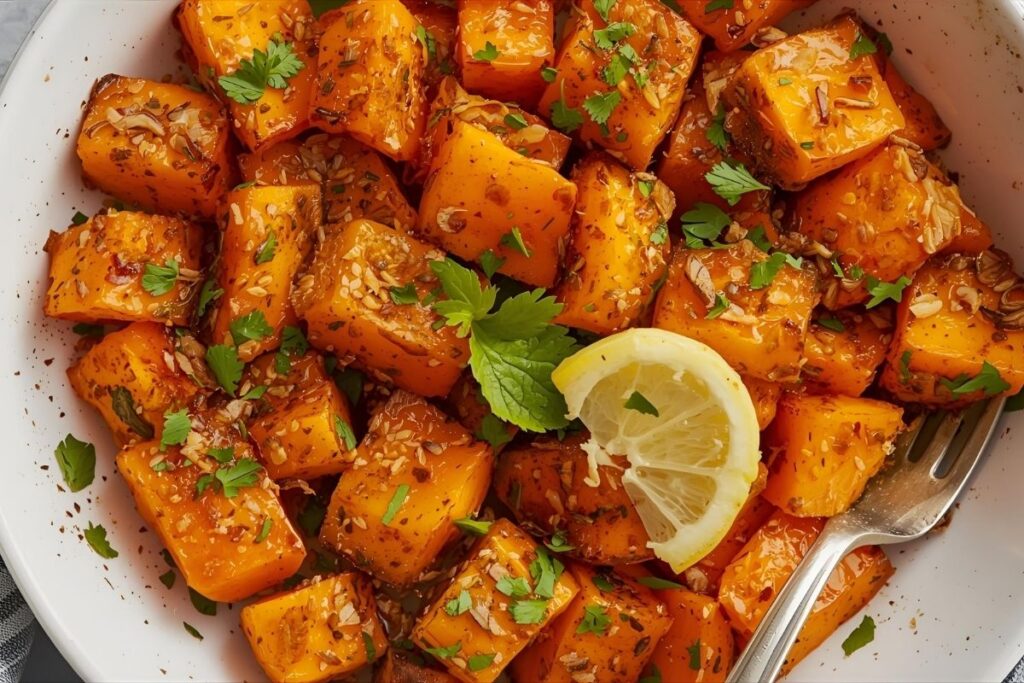
Craving a cozy fall side dish that’s both sweet and satisfying? Brown Sugar Roasted Butternut Squash is a perfect way to celebrate the season’s bounty. This simple recipe highlights the natural sweetness of butternut squash while adding a caramelized touch with brown sugar. Whether you’re serving this dish alongside roasted turkey, a hearty stew, or even as a standalone vegetarian option, it’s a versatile and delightful addition to your autumn table. The beauty of this recipe lies in its ease and minimal ingredients but delivers maximum flavor—a true crowd-pleaser that anyone can make at home. Discover simple roasted squash tips and tricks for a golden, tender finish every time, making it a must-try for fall meal planning.
Ingredients List
To make Brown Sugar Roasted Butternut Squash, you’ll need just a handful of quality ingredients, each contributing to the dish’s rich flavor and texture. The star of the show is fresh butternut squash, peeled and cubed for even roasting. Brown sugar adds a deep, molasses-like sweetness that contrasts beautifully with the natural earthiness of the squash. Olive oil is essential for coating the cubes, helping them roast evenly while developing a crisp exterior.
Additional pantry staples include a pinch of salt, which enhances the flavors, and ground cinnamon or nutmeg to add that signature fall warmth. For a bit of savory depth, feel free to sprinkle some freshly ground black pepper or even a pinch of smoked paprika.
If you’re looking for substitutions, coconut oil can replace olive oil for a slightly tropical flavor, and coconut sugar works well instead of brown sugar to make the recipe refined sugar-free. For a touch of natural sweetener, drizzle a bit of maple syrup after roasting for an extra layer of flavor. For those who like a crunch, toasted pecans or walnuts can be sprinkled on top before serving.
Timing
Preparing Brown Sugar Roasted Butternut Squash is quick and straightforward. The prep time typically takes about 15–20 minutes, which includes peeling, seeding, and cubing the squash. Roasting the squash cubes requires roughly 30–40 minutes in the oven at 400°F (200°C), allowing them to become tender and caramelized without burning. Overall, you’re looking at a total time of about 45–60 minutes. This makes it an easy addition to your weeknight dinners or a make-ahead side for holiday gatherings.
Step-by-Step Instructions
Print
Brown Sugar Roasted Butternut Squash: 5 Easy Steps for a Sweet Fall Side
- Total Time: 60 mins
- Yield: 4 servings
Ingredients
- 1 medium butternut squash (about 2–3 pounds), peeled, seeded, and cut into 1-inch cubes
- 2 tablespoons olive oil (or melted butter for a richer flavor)
- ¼ cup brown sugar (light or dark; adjust for sweetness)
- ½ teaspoon ground cinnamon (optional, for warm fall flavor)
- ½ teaspoon salt (to balance sweetness)
- Freshly ground black pepper (optional, for contrast)
- Prep Time: 20 mins
- Cook Time: 40 mins
- Category: Weight Loss Meals
- Method: Roasting
- Cuisine: American
Step 1: Prep the Butternut Squash
Start by peeling the butternut squash using a sturdy vegetable peeler. Cut off both ends, then slice it in half lengthwise and scoop out the seeds and stringy pulp with a spoon. Next, cut the squash into evenly sized 1-inch cubes. Uniform pieces ensure even roasting and caramelization. For easier cutting, score the squash lightly before slicing to guide your knife. Be careful while handling the squash as it can be tough; a sharp chef’s knife works best.
Step 2: Season the Squash
Place the cubed squash in a large mixing bowl. Drizzle with olive oil—about 2 tablespoons per medium squash—and toss to coat every piece well. Sprinkle 1/4 cup brown sugar evenly over the squash, followed by 1/2 teaspoon salt and about 1/2 teaspoon ground cinnamon or nutmeg. Toss again to distribute the spices thoroughly. If you prefer a little kick, add freshly ground black pepper or smoked paprika at this stage.
Step 3: Arrange and Roast
Spread the squash cubes in a single layer on a large baking sheet lined with parchment paper for easy cleanup. Avoid overcrowding the pan, as overcrowded pieces steam instead of roast, resulting in softer, less caramelized squash. Place the tray in the preheated oven and roast for 30-40 minutes, flipping the squash halfway through so all sides brown evenly.
Step 4: Monitor Caramelization
Check the squash about 25 minutes into roasting to gauge progress. The cubes should be tender with browned edges and caramelized brown sugar glaze. If some pieces start to burn, reduce the oven temperature slightly or cover loosely with foil. Roasting allows Maillard reactions—the browning processes—to develop, which bring out complex flavors in the squash and brown sugar.
Step 5: Serve Warm
Once roasted, let the squash cool for a few minutes on the baking sheet. Transfer to a serving dish and optionally garnish with toasted nuts like pecans or walnuts, fresh herbs such as thyme or parsley, or a light drizzle of maple syrup or honey. This dish shines served warm alongside roasted meats, grains, or as a festive vegetarian option. For a playful twist, add a handful of dried cranberries or a sprinkle of crumbled feta cheese for additional flavor contrast.
Nutritional Information
Per serving (approximately 1 cup), Brown Sugar Roasted Butternut Squash contains about 150 calories, 1.5 grams of protein, 35 grams of carbohydrates, 3 grams of fat, 5 grams of fiber, and 12 grams of sugar. It’s naturally rich in vitamins A and C, offers a healthy fiber boost, and provides essential minerals like potassium and magnesium.
This side dish is not overly high in fat and uses natural sugars, making it a better alternative to many processed sweet potato casseroles. The fiber content supports digestive health, while the antioxidants in butternut squash contribute to immune system support and skin health. The moderate sugar amount is balanced by the low glycemic index of the vegetable, helping keep blood sugar more stable.
Healthier Alternatives for the Recipe
If you want to make your Brown Sugar Roasted Butternut Squash lighter or tailored to specific dietary needs, try these variations. Swap brown sugar with coconut sugar or a drizzle of pure maple syrup to reduce refined sugar intake. For oil-free roasting, toss the squash cubes with a splash of vegetable broth or apple cider vinegar for moisture and tang.
Add warming spices such as ginger, cloves, or cardamom to increase antioxidant qualities and deepen flavor complexity without extra calories. To boost protein content, mix in some roasted chickpeas or top with a sprinkle of toasted pumpkin seeds just before serving. For a keto-friendly option, reduce or omit the sugar entirely and spice heavily with cumin, smoked paprika, and sea salt for a savory profile.
Serving Suggestions
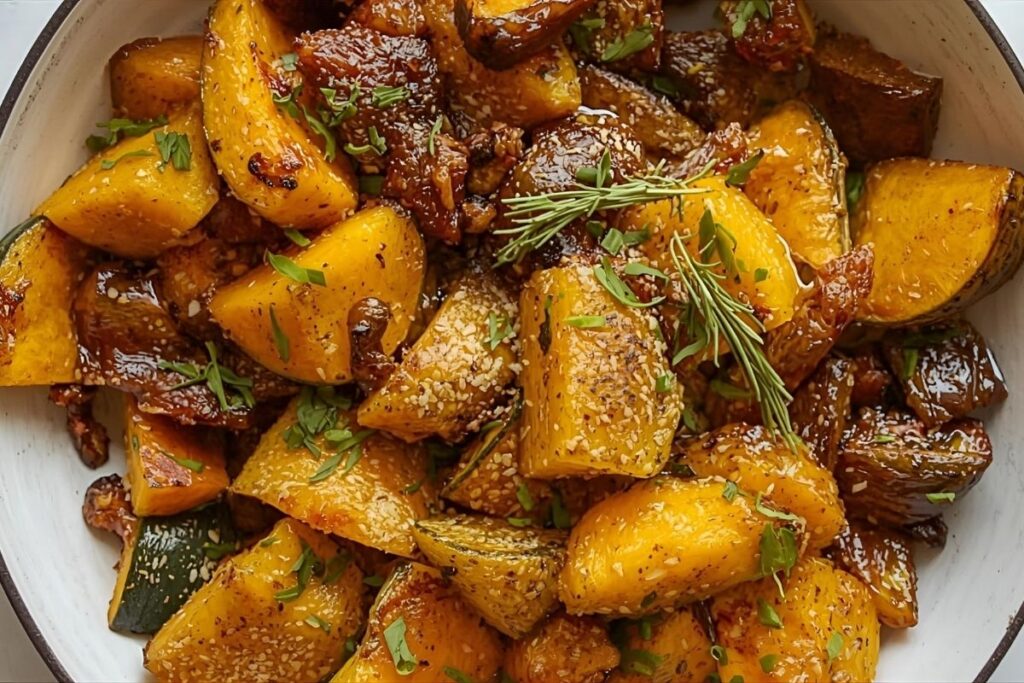
Brown Sugar Roasted Butternut Squash pairs beautifully with classic fall and winter dishes. Serve it alongside roasted turkey or chicken, complementing the savory main with its natural sweetness. It also works well with grain bowls featuring quinoa or farro, adding a pop of color and flavor. In a vegetarian meal, combine it with kale sautéed in garlic and lemon or a creamy risotto.
Culturally, roasted squash dishes are prominent in North American and European fall traditions, often spotlighted during Thanksgiving and Christmas. For a global twist, try seasoning with cinnamon and allspice to echo Middle Eastern flavors or sprinkle with za’atar before roasting for a savory, aromatic touch.
Seasonally, this dish celebrates the harvest and cooler weather comforts, bringing warmth and vibrant orange hues to your plate. Pair with apple cider, pumpkin soup, or caramelized Brussels sprouts for a full festive experience.
Common Mistakes to Avoid
- Not peeling properly: The skin of butternut squash can be tough; peeling completely ensures tender bites.
- Uneven cutting: Unequal-sized cubes cook unevenly; aim for uniform pieces for consistent roasting.
- Overcrowding the baking sheet: Crowding traps steam and prevents caramelization—use a large pan or roast in batches.
- Roasting at too high temperature: Too hot, and the brown sugar burns; too low, and the squash won’t caramelize properly. 400°F is optimal.
- Skipping the toss: Tossing with oil and spices ensures full flavor coverage—don’t skip this step.
Avoiding these common pitfalls will make your roasted squash golden, flavorful, and perfectly tender.
Storing Tips for the Recipe
Allow your roasted butternut squash to cool completely before storing. Place leftovers in an airtight container and refrigerate for up to 4 days. To reheat, use a microwave or oven at 350°F for 10 minutes to restore crisp edges. For longer storage, you can freeze roasted squash in portioned freezer bags for up to 3 months. When freezing, flash freeze on a baking sheet first to prevent clumping.
For meal prep, roast a large batch and use it throughout the week in salads, grain bowls, or as a quick side. Reheat gently to avoid drying out. Adding a splash of water or broth during reheating can help maintain moisture.
Conclusion
Brown Sugar Roasted Butternut Squash is a wonderfully easy, sweet side dish that embodies the flavors of fall. Its simple ingredients, quick prep, and delicious caramelized finish make it a must-try for anyone seeking comfort food with a healthy twist. Whether you’re cooking for a family dinner or entertaining guests, this recipe delivers warmth and satisfaction in every bite. For more cozy side dishes, be sure to explore the seasonal vegetable sides section at Trick Recipe. For additional tips on roasting butternut squash perfectly, check out this comprehensive guide from The Spruce Eats. Give this recipe a try and bring a touch of sweetness to your next meal!
FAQs
Can I use frozen butternut squash for this recipe?
Frozen squash can work but tends to release more water, which might reduce caramelization. If using frozen, thaw and pat dry thoroughly before roasting to get the best texture.
Is this recipe gluten-free and vegan?
Yes, Brown Sugar Roasted Butternut Squash is naturally gluten-free and vegan, making it suitable for most dietary needs.
Can I make this recipe ahead of time?
Absolutely! Roast the squash a day ahead and reheat gently before serving. It’s perfect for meal prep or holiday dinners.
What if I don’t have brown sugar?
You can substitute brown sugar with coconut sugar, maple syrup, or even honey, but adjust quantities to taste as liquid sweeteners may alter cooking time.
How do I know when the squash is done?
The squash is ready when it’s fork-tender and caramelized on the edges. Typically it takes 30–40 minutes at 400°F, but keep an eye for color and softness.