
Introduction
A homemade balsamic vinaigrette recipe is one of the simplest yet most flavorful additions to any meal. Whether you’re tossing a fresh garden salad, drizzling over roasted vegetables, or marinating chicken, this versatile dressing can elevate your dishes instantly. Yet, many shy away from making it at home, thinking it’s too complex or unsure of the right oil-to-vinegar ratio.
This article breaks down everything you need to know about making the perfect balsamic vinaigrette—from traditional and chef-inspired recipes to common mistakes to avoid. You’ll also learn how to tweak flavors, store your dressing properly, and use it creatively across meals.
Looking for inspiration? Try our Korean Carrot Salad Recipe – The Best 2025 Spicy Side Dish to pair with this vinaigrette.
Let’s dive into the world of bold, tangy, and homemade deliciousness.
Table of content
Table of Contents
Understanding Balsamic Vinaigrette
What Is a Balsamic Vinaigrette?
A balsamic vinaigrette is a simple emulsion of balsamic vinegar, oil, and often a few flavor-boosting ingredients like mustard, garlic, or honey. It’s one of the most popular salad dressings in the world, celebrated for its sweet, tangy flavor and healthful ingredients.
The base typically includes:
- Balsamic vinegar
- Extra virgin olive oil
- Dijon mustard or garlic (optional)
- Salt and pepper to taste
Because balsamic vinegar already has a natural sweetness, it’s a great choice for those avoiding sugary store-bought dressings.
How It Differs from Other Dressings
Unlike creamy dressings like ranch or Caesar, the balsamic vinaigrette recipe uses no dairy. It’s:
- Lighter in texture
- Lower in calories
- More versatile in pairing with vegetables, meats, and grains
Its tangy kick and glossy finish make it ideal for enhancing fresh, bold flavors. The balance between acidic vinegar and smooth oil is what makes this dressing truly stand out.
Discover great ideas like the Easy Keto Pumpkin Bread Recipe, which pairs well with a side salad dressed in balsamic vinaigrette.
Classic Balsamic Vinaigrette Recipe (Step-by-Step)
Ingredients of a Traditional Balsamic Vinaigrette Recipe
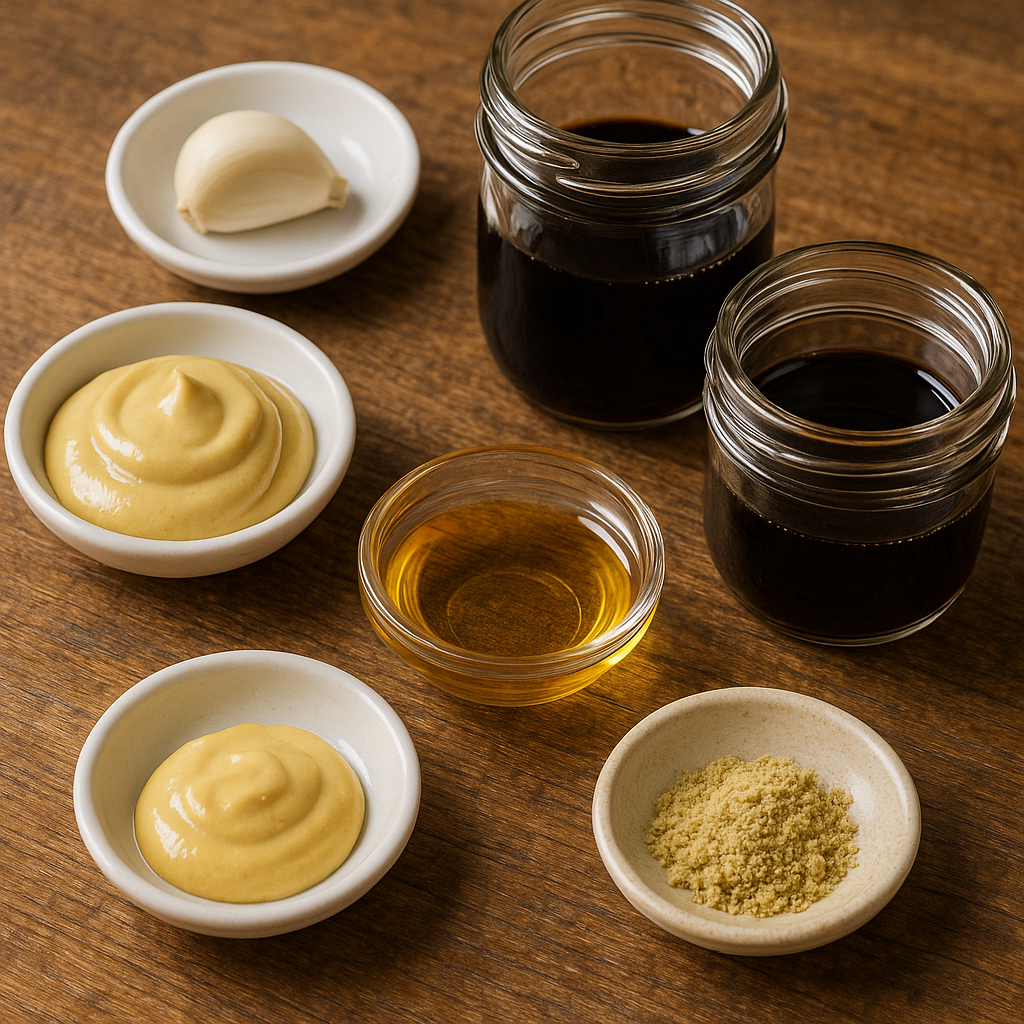
If you’re looking for a tried-and-true balsamic vinaigrette recipe, these staple ingredients are all you need. The beauty lies in the simplicity of the flavors and how easily they come together. Here’s the classic formula:
| Ingredient | Amount | Purpose |
|---|---|---|
| Balsamic vinegar | 1/4 cup | Adds tangy-sweet flavor |
| Extra virgin olive oil | 3/4 cup | Smooth texture and richness |
| Dijon mustard (optional) | 1 tsp | Helps emulsify and adds depth |
| Honey or maple syrup | 1-2 tsp | Balances acidity with natural sweetness |
| Garlic (minced) | 1 clove | Provides savory undertone |
| Salt | 1/4 tsp | Enhances flavor |
| Freshly ground pepper | 1/4 tsp | Adds spice and contrast |
Tip: Always use high-quality balsamic vinegar and cold-pressed olive oil for the best flavor.
This version is well-balanced—sweet, tangy, and just the right amount of sharpness.
Simple Homemade Balsamic Vinaigrette Recipe Instructions
Making your own balsamic vinaigrette recipe at home takes just 5 minutes, and it stores beautifully in the fridge.
Step-by-step Instructions:
Print
Balsamic Vinaigrette Recipe: The Ultimate 9-Part Guide to Mastering the Perfect Dressing
- Total Time: 5 mins
- Yield: 20 tbsp
Description
A quick and healthy homemade balsamic vinaigrette recipe that blends tangy balsamic vinegar, smooth olive oil, and a touch of honey. Perfect for salads, veggies, or marinades in just 5 minutes!
Ingredients
- 3/4 cup olive oil
- 1/4 cup balsamic vinegar
- 1 tsp Dijon mustard
- 1–2 tsp honey or maple syrup
- 1 garlic clove (minced)
- Salt & black pepper to taste
Instructions
Whisk vinegar, mustard, garlic, sweetener, salt, and pepper.
Slowly add olive oil while whisking.
Store in airtight jar and shake before using.
Notes
Adjust sweetener to taste
Blend for creamier consistency
Keeps for 1–2 weeks in the fridge
- Prep Time: 5 mins
- Cook Time: 0 mins
- Category: Weight Loss Meals
Don’t miss our Homemade Mounjaro Pink Salt Recipe: The Best 4-Ingredient Trick that can complement light vinaigrette-based meals.
Chef-Inspired Recipes – Jamie Oliver’s Balsamic Dressing
How to Make Jamie Oliver’s Balsamic Vinaigrette Recipe
One of the most searched and beloved versions of a balsamic vinaigrette recipe comes from the famous British chef, Jamie Oliver. Known for his easy, rustic cooking style, Jamie’s dressing follows the same simple principles but with his signature flair.
Here’s a breakdown of Jamie Oliver’s balsamic dressing recipe:
| Ingredient | Amount | Why He Uses It |
|---|---|---|
| Extra virgin olive oil | 6 tablespoons | Smooth, rich base |
| Balsamic vinegar | 2 tablespoons | Adds depth, sweetness, acidity |
| Dijon mustard | 1 teaspoon | Natural emulsifier and sharpness |
| Sea salt | Pinch | Enhances overall flavor |
| Fresh ground black pepper | Pinch | Adds warmth and a mild heat |
Instructions:
- In a small jar or bowl, mix balsamic vinegar and mustard.
- Slowly whisk in the olive oil until the mixture is fully emulsified.
- Season with sea salt and freshly ground black pepper.
- Give it a final whisk or shake and taste for balance.
Pro Tip: Jamie always emphasizes the quality of ingredients. Opt for aged balsamic vinegar and cold-pressed extra virgin olive oil to replicate his signature flavor.
Don’t miss our Easy Keto Pumpkin Bread Recipe for a low-carb side that complements this dressing well!
What Makes Jamie’s Version So Popular?
Here’s why Jamie Oliver’s balsamic vinaigrette recipe stands out:
- Perfectly Balanced: It hits the sweet spot between tangy and smooth.
- Quick to Prepare: No blender, no fancy tools—just whisk or shake.
- Versatile: Works beautifully with leafy greens, grilled meats, and even pasta salads.
- Customizable: Jamie encourages people to taste and tweak. That’s the hallmark of a great home chef.
This recipe is proof that you don’t need a complicated list of ingredients to make something amazing. The key is proportions, freshness, and balance.
Best Ways to Use Balsamic Vinaigrette in Meals
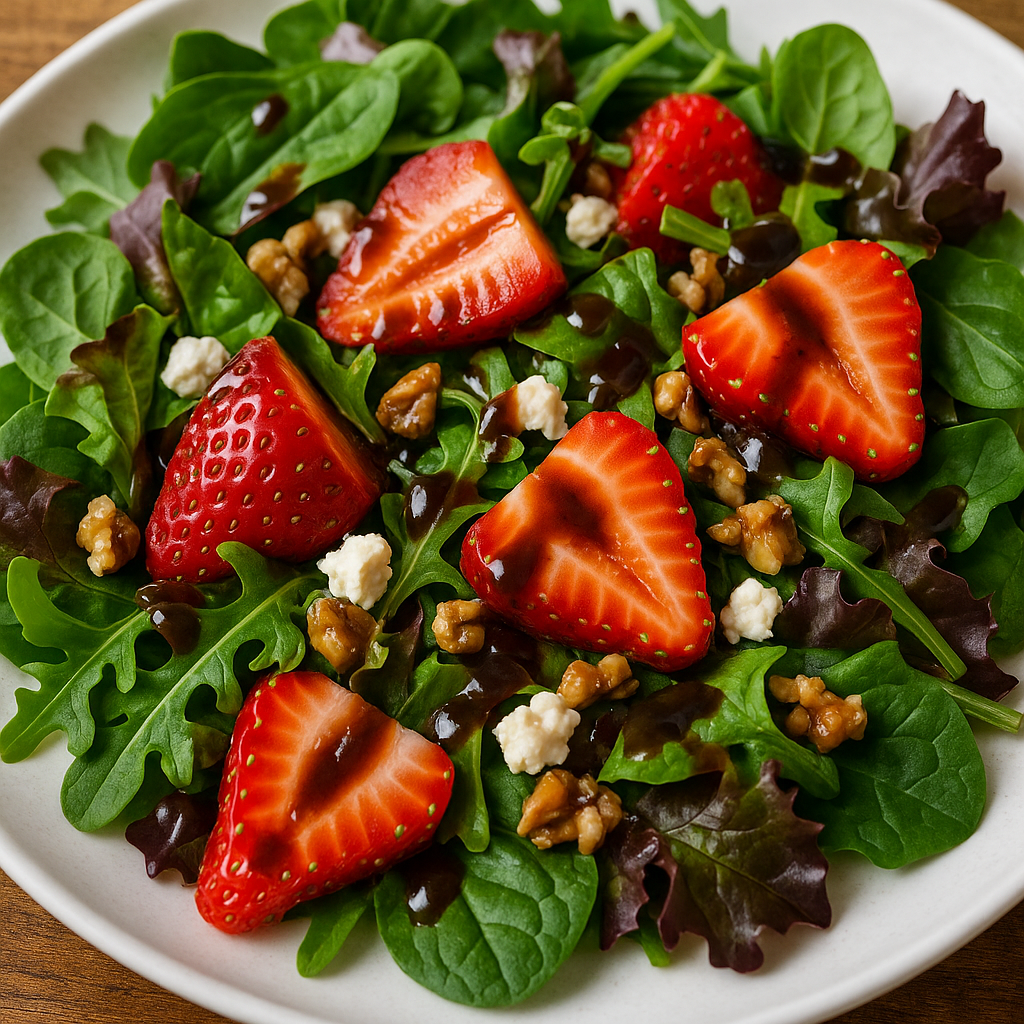
Salads, Marinades, Roasted Veggies & More
A solid balsamic vinaigrette recipe isn’t just for leafy greens—it’s your go-to secret weapon in the kitchen. From salads to wraps, roasted vegetables to protein glazes, this dressing knows no limits. Its sweet and tangy complexity adds boldness and depth to even the simplest dishes.
Here’s how to make the most of it:
1. Toss It on Salads (Obviously!)
The most common (and delicious) use for balsamic vinaigrette is as a salad dressing. But don’t stop at plain greens. Try these salad combos for next-level results:
- Strawberry Spinach Salad – Sweet berries, baby spinach, and feta sing with balsamic.
- Mixed Green, Pear & Goat Cheese Salad – The creamy and tart combo is perfect for this dressing.
- Fuji Apple Chicken Salad – Apple slices, grilled chicken, and vinaigrette = perfection.
2. Drizzle Over Roasted Vegetables
Roasted vegetables like carrots, Brussels sprouts, asparagus, and beets are taken to the next level with a warm splash of vinaigrette. It adds a glossy finish and elevates their natural sweetness.
3. Use as a Marinade for Chicken or Tofu
Marinate chicken, tofu, or even mushrooms in balsamic vinaigrette for at least 30 minutes before cooking. The acid in the vinegar helps tenderize proteins while the olive oil seals in moisture.
4. Brighten Up Wraps and Sandwiches
Ditch mayo or mustard and add a spoonful of vinaigrette to your turkey wrap or veggie sandwich. It creates moisture, tang, and flavor without the heaviness.
5. Pasta Salads and Grain Bowls
Toss cold cooked pasta, quinoa, or couscous with balsamic vinaigrette and your favorite chopped veggies for an easy lunch. The tangy bite works especially well with salty cheeses like feta or olives.
6. Try It on Fruit Salads
Yes, really. A light drizzle over watermelon, strawberries, or peaches will surprise you. The acidity sharpens the sweetness and makes fruit shine.
7. Cold Steamed Veggies or Leftovers
According to Barefeet in the Kitchen, vinaigrette breathes new life into cold leftovers like steamed broccoli or cauliflower. It’s a smart way to make use of fridge finds.
Learn more about flavor-forward tricks in our Homemade Mounjaro Pink Salt Recipe: The Best 4-Ingredient Trick—perfect alongside veggie bowls with vinaigrette.
Pairing Tips with Different Proteins and Dishes
| Dish Type | Pairing Notes |
|---|---|
| Grilled Chicken or Turkey | Use as marinade or finishing drizzle. Enhances grilled flavor. |
| White Fish or Shrimp | Add lemon to vinaigrette for citrus zing; drizzle post-cooking. |
| Tofu or Tempeh | Soak in vinaigrette for 30 min, then pan-sear or bake. |
| Steak or Lamb | Add a splash of reduced balsamic glaze after cooking for bold richness. |
| Cheese Boards | Use vinaigrette as a dip or a drizzle over goat cheese or brie + fruits. |
Pro Tip: If using the vinaigrette as a hot marinade or glaze, heat it gently. Overheating can dull the flavor of the vinegar.
Nutrition and Health Benefits of Balsamic Vinaigrette
Nutritional Breakdown of a Classic Balsamic Vinaigrette
If you’re watching what you eat or simply trying to make healthier choices, the balsamic vinaigrette recipe is one of the smartest dressings to have on hand. It’s made with wholesome ingredients—primarily olive oil and vinegar—and avoids the processed sugars, preservatives, and additives found in most store-bought dressings.
Here’s a general nutrition breakdown per tablespoon (based on the Barefeet in the Kitchen recipe):
| Nutrient | Amount (per tbsp) |
|---|---|
| Calories | 81 kcal |
| Total Fat | 8g |
| Saturated Fat | 1g |
| Carbohydrates | 2g |
| Sugar | 2g |
| Sodium | 67mg |
| Vitamin C | 0.1mg |
| Calcium | 1mg |
| Iron | 0.1mg |
These values may vary slightly depending on oil quality, sweetener type, and batch size. Always use accurate tools if tracking macros.
This shows that balsamic vinaigrette delivers healthy fats and flavor without excessive sugar or sodium when homemade.
Is It Healthy? Benefits of Vinegar and Olive Oil
A homemade balsamic vinaigrette recipe brings more than just flavor—it packs real nutritional perks:
1. Olive Oil = Healthy Fats
Extra virgin olive oil contains monounsaturated fats that support heart health, reduce inflammation, and help absorb fat-soluble vitamins like A, D, E, and K.
2. Balsamic Vinegar = Antioxidants
Balsamic vinegar offers polyphenols, which are antioxidants that protect the body from free radicals. It may also:
- Help regulate blood sugar after meals
- Aid digestion
- Improve cholesterol levels
3. Low in Carbs and Sugar
Compared to creamy dressings, balsamic vinaigrette is relatively low in carbs and contains natural sugars from honey or maple syrup, which can be adjusted for dietary needs.
4. Gut-Friendly
The acetic acid in vinegar supports healthy gut bacteria and may boost metabolism slightly—making it a smart addition to a balanced diet.
5. Versatile for Special Diets
- Keto-Friendly (if sugar is reduced or replaced with stevia)
- Gluten-Free
- Paleo and Whole30 Adaptable
According to the Best Balsamic Vinaigrette Recipe, it’s easy to make in under 5 minutes with ingredients you can pronounce—and that’s a huge win for your health.
Important Note: Homemade versions are generally healthier than store-bought dressings that contain emulsifiers, thickeners, added sugars, or soybean oil.
Frequently Asked Questions (FAQs)
1. What are the ingredients of balsamic vinaigrette?
A classic balsamic vinaigrette recipe typically includes balsamic vinegar, extra virgin olive oil, Dijon mustard, garlic, honey or maple syrup, salt, and pepper. Some variations add herbs, citrus, or other sweeteners for added flavor.
2. How do you make Jamie Oliver balsamic dressing?
Jamie Oliver’s version uses a simple ratio: 3 parts olive oil to 1 part balsamic vinegar, whisked together with Dijon mustard, sea salt, and freshly ground pepper. The result is a sharp, clean, and versatile dressing that’s easy to make and full of character.
3. What is the ratio of oil to balsamic vinegar dressing?
The standard ratio is 3:1 (oil to vinegar). However, it can be adjusted to 2:1 or even 1:1 depending on your taste preference. A higher vinegar content results in a tangier dressing.
4. What are some common mistakes to avoid when making vinaigrette?
Not emulsifying properly – Always whisk or shake to blend oil and vinegar.
Using low-quality oil or vinegar – The flavor will suffer.
Over-sweetening – A touch of honey is enough; too much can overpower the dressing.
Skipping the salt – Salt enhances the entire flavor profile.
Improper storage – Store in an airtight jar and shake before each use.
Conclusion
The humble balsamic vinaigrette recipe is far more than a salad dressing—it’s a culinary staple you can make your own. Whether you stick to the classic version or riff with sweet, spicy, or creamy variations, the beauty of this dressing lies in its balance of simplicity and flavor.
By understanding the proper ratios, avoiding common mistakes, and exploring different uses from salads to marinades, you’ll always have a jar of bold, healthy goodness at your fingertips.