
Table of content
Table of Contents
Introduction

Struggling with gluten-free gingerbread cookies? You’re not alone. Baking delicious gluten-free treats can feel daunting, especially when aiming for that perfect chewy texture and rich, spicy flavor that gingerbread is known for. Fortunately, with a few expert tips and the right approach, you can create mouthwatering gluten-free gingerbread cookies every time. This guide will walk you through the essential ingredients, timing, and baking techniques you need to succeed. Whether you’re new to gluten-free baking or a seasoned pro looking to refine your recipe, these five expert tips will help you achieve the ideal balance of flavor and texture. Get ready to impress your family and friends with the best batch of gluten-free gingerbread cookies yet!
Ingredients List
To make gluten-free gingerbread cookies that hold together well and taste fabulous, you’ll need a well-balanced combination of flours and spices. Here’s a detailed ingredient list with helpful substitutions and explanations:
- 1 1/2 cups gluten-free all-purpose flour (preferably one with xanthan gum included): The base of your cookies; xanthan gum helps bind the dough, replacing gluten’s elasticity.
- 1/2 cup almond flour: Adds moisture and a slightly nutty flavor, enhancing texture.
- 1 teaspoon baking soda: Works as a leavening agent to give the cookies a tender rise.
- 2 teaspoons ground ginger: The key spice for that classic gingery kick.
- 1 teaspoon ground cinnamon: Adds warmth and depth.
- 1/2 teaspoon ground cloves: For a hint of aromatic spice.
- 1/4 teaspoon ground nutmeg: Adds subtle sweetness and complexity.
- 1/4 teaspoon salt: Balances and enhances all the flavors.
- 1/2 cup unsalted butter, softened: Provides richness and tenderness.
- 1/2 cup brown sugar, packed: Contributes moisture and caramel notes.
- 1 large egg: Binds the ingredients together and adds structure.
- 1/4 cup molasses: Essential for that deep gingerbread flavor and dark color.
- 1 teaspoon pure vanilla extract: Enhances all flavor elements.
Substitutions:
- For a nut-free version, replace almond flour with additional gluten-free all-purpose flour or oat flour.
- Use coconut oil instead of butter for a dairy-free option, but keep the flavor difference in mind.
- Maple syrup can replace molasses but will alter the traditional taste somewhat.
Timing
Preparing gluten-free gingerbread cookies doesn’t take long, but patience during chilling and baking is key. Expect approximately:
- Prep time: 20–25 minutes, including mixing and measuring ingredients.
- Chill time: 1 hour minimum (optional but recommended to firm the dough for easier cutting and better texture).
- Cook time: 8–12 minutes per batch, depending on cookie size and oven variations.
- Total time: About 1 hour 30 minutes, including chilling.
Chilling not only helps with dough handling but also allows flavors to meld beautifully, improving the final taste. Avoid skipping this step for best results.
Step-by-Step Instructions
Print
Gluten-Free Gingerbread Cookies: 5 Tips to Make Them Perfect Every Time
- Total Time: 1 hr 25 mins
- Yield: 24 cookies
Ingredients
- 1 1/2 cups gluten-free all-purpose flour (preferably one with xanthan gum included): The base of your cookies; xanthan gum helps bind the dough, replacing gluten’s elasticity.
- 1/2 cup almond flour: Adds moisture and a slightly nutty flavor, enhancing texture.
- 1 teaspoon baking soda: Works as a leavening agent to give the cookies a tender rise.
- 2 teaspoons ground ginger: The key spice for that classic gingery kick.
- 1 teaspoon ground cinnamon: Adds warmth and depth.
- 1/2 teaspoon ground cloves: For a hint of aromatic spice.
- 1/4 teaspoon ground nutmeg: Adds subtle sweetness and complexity.
- 1/4 teaspoon salt: Balances and enhances all the flavors.
- 1/2 cup unsalted butter, softened: Provides richness and tenderness.
- 1/2 cup brown sugar, packed: Contributes moisture and caramel notes.
- 1 large egg: Binds the ingredients together and adds structure.
- 1/4 cup molasses: Essential for that deep gingerbread flavor and dark color.
- 1 teaspoon pure vanilla extract: Enhances all flavor elements.
- Prep Time: 25 mins
- Cook Time: 1h
- Category: Weight Loss Meals
- Method: Oven-Baked
- Cuisine: European-Inspired
Step 1: Mix Dry Ingredients
In a large bowl, whisk together the gluten-free all-purpose flour, almond flour, baking soda, ground ginger, cinnamon, cloves, nutmeg, and salt. Whisking thoroughly ensures even spice distribution and helps prevent clumps of baking soda, which can create off flavors. For extra warmth, consider toasting whole spices lightly before grinding.
Step 2: Cream Butter and Sugar
In a separate bowl, use an electric mixer to cream the softened butter and brown sugar until light and fluffy—about 2 to 3 minutes. This process incorporates air, yielding softer cookies. Add the egg, molasses, and vanilla extract, continuing to mix until combined well. Pay attention to room temperature ingredients; cold butter or eggs can inhibit proper creaming.
Step 3: Combine Wet and Dry Mixtures
Gradually add the dry ingredients into the wet mixture. Mix at low speed or fold gently with a spatula to avoid overworking the dough, which can make cookies tough. If the dough feels sticky or too soft, refrigerate for 15–20 minutes before shaping. This step can also be varied by adding finely chopped crystallized ginger or chocolate chips for a delightful twist.
Step 4: Shape and Bake
Preheat your oven to 350°F (175°C). Line baking sheets with parchment paper. Roll the dough between two sheets of parchment to about 1/4-inch thickness. Use cookie cutters to shape the dough, making sure not to crowd the cookies on the tray to allow even baking. Bake for 8–12 minutes or until edges are firm and just starting to brown. Baking soda reacts with acids like molasses to create rise and tenderness, so avoid overbaking; cookies will firm up as they cool.
Step 5: Cool and Serve
Allow cookies to cool on the baking sheet for 5 minutes before transferring to a wire rack to cool completely. This helps them set and prevents breakage. Decorate with gluten-free royal icing or dust with powdered sugar if desired. Pair your cookies with warm spiced tea or dairy-free eggnog for a cozy treat. Store leftovers in an airtight container at room temperature for up to a week.
Nutritional Information
Each gluten-free gingerbread cookie (assuming 24 cookies per batch) contains approximately:
- Calories: 130 kcal
- Protein: 2 g
- Carbohydrates: 18 g
- Fat: 6 g
- Fiber: 2 g
- Sugar: 10 g
- Sodium: 110 mg
These cookies offer more fiber than traditional versions due to the inclusion of almond flour, which also provides healthy fats and vitamin E. The spices contain antioxidants, and molasses is a good source of iron and calcium. While they’re a sweet treat, these gluten-free gingerbread cookies can be part of a balanced diet when enjoyed in moderation.
Healthier Alternatives for the Recipe
If you want to make this recipe even healthier, here are some variations to try:
- Reduce sugar: Lower brown sugar by 25% and replace with natural sweeteners like mashed banana or applesauce. This adds vitamins and reduces refined sugar intake.
- Use whole grain flours: Substitute part of the gluten-free flour blend with buckwheat or teff flour for added fiber and nutrients, though expect a slight change in texture.
- Coconut sugar instead of brown sugar: This unrefined sugar has a lower glycemic index and contains trace minerals.
- Add ground flaxseed or chia seeds: These boost omega-3 content and fiber, enhancing satiety and heart health benefits. Be sure to increase liquid slightly for proper texture.
- Swap butter for avocado oil: For a dairy-free and heart-healthy fat alternative, though this subtly alters flavor and texture.
Each substitution can tailor your cookies for dietary preferences and improve nutritional value while still delivering the classic gingerbread experience.
Serving Suggestions
Gluten-free gingerbread cookies are a festive favorite that pairs well with many seasonal beverages and desserts. Traditionally enjoyed during winter holidays, these cookies shine when served alongside:
- A hot cup of spiced chai tea or mulled cider to complement their warm spices.
- Dairy-free whipped cream or coconut cream for a dairy-free crowd.
- As part of a holiday cookie platter with peppermint bark and almond biscotti for texture contrast.
Culturally, gingerbread has deep roots in European holiday traditions, often shaped into festive motifs like gingerbread men or stars. You can decorate your cookies with icing designs inspired by Scandinavia or Germany for added charm. These cookies also make delightful gifts when wrapped in clear cellophane with holiday ribbons.
Common Mistakes to Avoid
- Skipping chilling the dough: Unchilled dough can be sticky and difficult to work with, resulting in misshapen cookies. Always chill for at least an hour.
- Overbaking the cookies: This dries out the texture. Bake until edges are just set and slightly golden. The cookies will firm as they cool.
- Using too much flour: Gluten-free flours absorb moisture differently; adding too much dry flour leads to dry, crumbly cookies. Measure carefully and adjust slightly if needed.
- Not using xanthan gum or a binding agent: Without this, cookies can fall apart. Ensure your gluten-free blend has it or add about 1/4 teaspoon.
- Ignoring oven temperature: Gluten-free cookies are sensitive to oven variations. Use an oven thermometer and avoid opening the door during baking.
Storing Tips for the Recipe
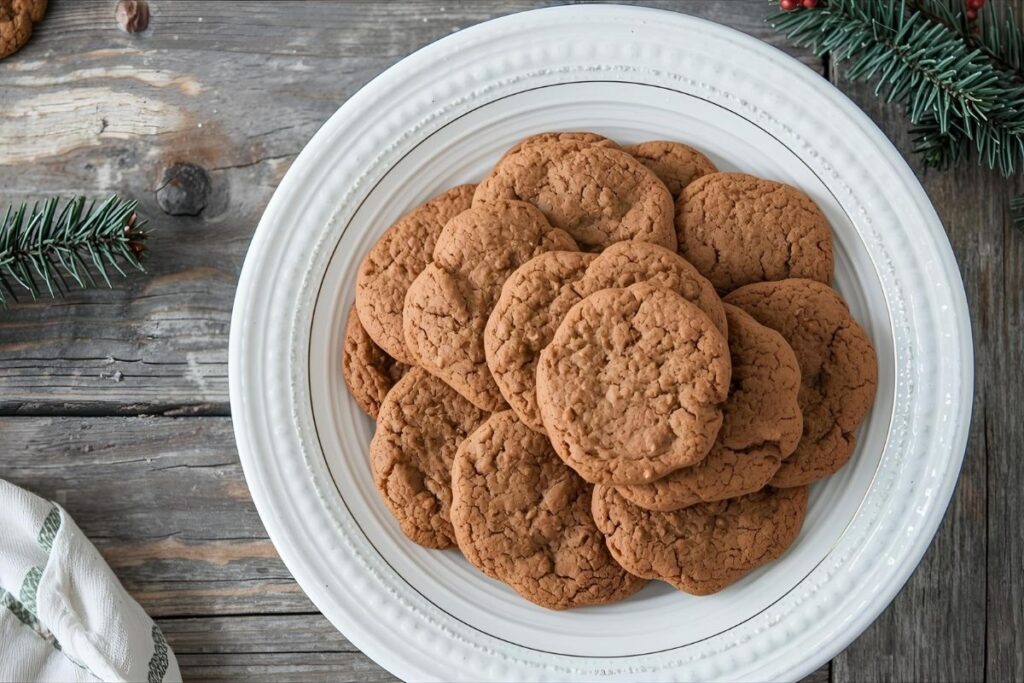
To keep your gluten-free gingerbread cookies fresh and flavorful:
- Room temperature: Store in an airtight container for up to 7 days; add a slice of bread to retain moisture.
- Refrigeration: Not recommended for long-term storage, as it can dry out cookies. If you choose to refrigerate, keep them in an airtight container and bring to room temperature before serving.
- Freezing: Wrap cookies tightly in plastic wrap and place in a freezer-safe bag or container. Freeze up to 3 months. Thaw at room temperature before eating.
- Meal prep: Prepare dough in advance and freeze in logs. Slice frozen logs directly onto baking sheets and bake as needed for fresh cookies anytime.
These tips ensure your gingerbread cookies retain their chewy texture and vibrant flavor over time.
Conclusion
Mastering gluten-free gingerbread cookies is easier than you think. By following these expert tips on ingredients, timing, and baking techniques, you can enjoy a perfect batch every holiday season or any time you crave a cozy treat. The combination of carefully chosen gluten-free flours, warm spices, and proper chilling brings texture and flavor in harmony. Plus, these cookies make delightful gifts and pair exquisitely with seasonal drinks. For more amazing gluten-free dessert ideas, check out TrickRecipe’s gluten-free desserts category. For further reading on gluten-free baking science, the Gluten Intolerance Group offers valuable insights on their gluten-free baking tips.
FAQs
Q1: Can I use regular all-purpose flour instead of gluten-free flour?
Yes, but the texture and flavor will differ. Regular flour contains gluten, which gives cookies elasticity; your dough will be more stretchy and chewy. Adjust liquids slightly since gluten-free flours absorb moisture differently.
Q2: How can I make these cookies vegan?
Replace the egg with flax egg (1 tbsp ground flaxseed + 3 tbsp water) and butter with coconut oil or vegan butter. Use maple syrup instead of molasses for a milder taste, though traditional flavor varies.
Q3: Why do my gluten-free gingerbread cookies turn out crumbly?
This usually means the dough lacks enough binding agents like xanthan gum or egg. Also, avoid adding too much flour and ensure the dough chills before baking to develop cohesion.
Q4: Can I add decoration before or after baking?
It’s best to bake plain cookies first, then decorate with gluten-free royal icing or melted chocolate once cooled. Pre-bake decorations may burn or melt during baking.
Q5: How long do these cookies stay fresh?
Stored properly in an airtight container, they last up to one week at room temperature. For longer storage, freezing is recommended for up to 3 months.